

Home/Insights/Insights
Common Fiance Visa Interview Mistakes to Avoid
Learn how to avoid fiance visa interview mistakes, prepare honest answers, bring the right records, and protect your path to marriage in the U.S. now.
Insights · 9 October 2026
A fiance visa interview can feel like the final hurdle after months of forms, documents, and waiting. That pressure can lead people to overprepare in the wrong ways, rush through answers, or overlook a missing document. The most damaging fiance visa interview mistakes are often avoidable when you understand what the consular officer is trying to confirm: that your relationship is real, that you are both legally free to marry, and that you qualify for the K-1 visa.
A calm, honest, organized approach matters more than a perfectly rehearsed performance. The goal is not to convince an officer with a dramatic story. It is to give clear, truthful answers that match the petition and supporting evidence already submitted.
What the Fiance Visa Interview Is Designed to Confirm
The K-1 fiance visa interview generally takes place at the U.S. embassy or consulate in the foreign national's home country or country of residence. Even after USCIS approves the Form I-129F petition, the consular officer must make an independent decision about whether to issue the visa.
The officer may ask about how the couple met, how the relationship developed, prior marriages, travel together, wedding plans, employment, children, and plans after arrival in the United States. They may also review financial documents, police certificates, medical examination results, and other required records.
Not every interview is long or highly detailed. Some are brief. Others require more questions because the relationship timeline is short, the couple has spent limited time together, documents are incomplete, or answers raise a concern. That is why preparation should focus on accuracy and consistency, not memorizing a script.
Fiance Visa Interview Mistakes That Can Create Problems
Giving rehearsed or exaggerated answers
Couples sometimes think they need to sound flawless. They memorize exact dates, repeat identical phrases, or give overly detailed answers that do not sound natural. A consular officer understands that people may be nervous or forget a minor detail. What raises concern is an answer that feels coached, vague, or different from the evidence in the case.
Be prepared to discuss your relationship naturally. If you do not remember the exact date of a first online conversation, do not guess. Say what you genuinely remember and explain the timeline as accurately as possible. It is far better to be honest about a small uncertainty than to give an answer that conflicts with messages, travel records, or the petition.
Not reviewing the original petition before the interview
The foreign national should know what was submitted in the I-129F petition and subsequent visa materials. This includes basic biographical information, prior marriages, addresses, employment history, dates of in-person meetings, and the relationship timeline.
A common problem occurs when one partner completed the paperwork without fully reviewing it with the other. At the interview, the applicant may give an answer that appears inconsistent, even though the difference was simply caused by a typographical error or misunderstanding. Review copies of the filings together well before the appointment. If you find a genuine error, do not hide it. Be ready to explain it truthfully and provide corrected information if the consulate permits it.
Bringing weak or outdated relationship evidence
Evidence should show a continuing, genuine relationship, especially if significant time has passed since filing. Old photos from one visit may not be enough if the couple has continued communicating and building a life plan since then.
Bring organized evidence that fits your particular story. This may include photographs from time spent together, travel itineraries, passport stamps, call logs, selected message records, money-transfer records when relevant, engagement evidence, and proof that family members know about the relationship. Quality matters more than volume. A stack of hundreds of unsorted screenshots may be less helpful than a concise, clearly labeled set of records showing regular contact and meaningful time together.
Do not create, alter, or backdate evidence. Fraud or misrepresentation can have serious immigration consequences and may affect future visa applications.
Forgetting required civil and financial documents
A genuine relationship does not eliminate the need for complete paperwork. Missing a passport, birth certificate, divorce decree, police certificate, medical exam record, Affidavit of Support, or required translation can delay the case or lead to a request for additional documents.
Requirements differ by embassy or consulate, and they can change. Read the appointment instructions carefully and use the consulate's required document list for the specific location. Originals and copies may both be necessary. If a document is unavailable, do not assume the officer will overlook it. Find out whether an alternative document or written explanation is accepted before the interview.
Financial sponsorship also deserves close attention. The U.S. citizen petitioner generally must provide Form I-134 and supporting evidence of income or assets. If income does not meet the applicable guideline, a qualified joint sponsor may be an option in some cases, but the rules and local practices should be checked carefully. Waiting until the interview is scheduled to address an income issue can create unnecessary stress.
Contradicting each other on major facts
Couples do not need identical answers to every personal question. One person may remember the first date differently, or each may describe a proposal in their own words. That is normal.
The concern is inconsistency on significant facts: whether you have met in person, when the relationship began, whether either person is married, where the U.S. citizen lives, or whether you intend to marry within 90 days of arrival. Discuss the important milestones before the interview so both partners understand the same truthful timeline. If a question has a complicated answer, it is better to explain the context than to offer a quick answer that is misleading.
Treating prior immigration history as something to hide
Past visa refusals, overstays, removals, unauthorized employment, criminal history, prior petitions, or previous marriages can affect a K-1 case. They do not always mean the visa will be denied. But failing to disclose them can be much more serious than the underlying issue.
Answer every application and interview question directly. If you are unsure how an old immigration event, arrest, or prior relationship affects eligibility, seek legal advice before the interview. A careful review may identify documents, waivers, or explanations that should be prepared in advance.
Assuming the interview is only about romance
The officer may ask practical questions that have little to do with your favorite memories together. They may want to know where you will live, what your wedding plans are, how you will support yourselves, and what you understand about the next steps after entering the United States.
The K-1 visa is for a couple who intends to marry within 90 days of the foreign national's entry into the United States. It is not a visitor visa and should not be treated as a way to postpone deciding whether to marry. Be prepared to explain realistic plans without inventing details you do not have. A large wedding is not required. A simple plan to marry at a courthouse can be completely valid if it reflects your real intentions.
How to Prepare Without Adding More Stress
Start by making a document checklist based on the instructions from the embassy or consulate. Keep originals, copies, translations, and recent relationship evidence in clearly labeled folders. Review the petition and application together, then talk through likely questions in a conversational way.
The foreign national should be ready to answer independently, even if the U.S. citizen petitioner cannot attend the interview. The petitioner can still help by providing updated financial records, a thoughtful letter confirming the ongoing relationship and intent to marry, and any new evidence from recent visits or communication.
Plan practical details too. Know the appointment time, security rules, location, transportation plan, and whether a phone or large bag is prohibited. Arriving late, appearing unprepared, or discovering at the door that a required item cannot enter the building adds avoidable pressure to an already emotional day.
When Legal Guidance Can Make a Difference
Some K-1 cases are straightforward, while others have facts that deserve a closer legal review. Prior immigration violations, criminal records, prior marriage-based petitions, a short courtship, a substantial age difference, limited in-person time, or financial sponsorship concerns can all require a more careful strategy. The right approach depends on the facts, not assumptions about what a consular officer will think.
Michelotti & Associates Ltd. helps engaged couples understand the K-1 process, prepare truthful and complete filings, and address concerns before they become last-minute surprises. A consultation can help clarify what evidence is useful, which issues require explanation, and whether another family-based immigration path may better fit your situation.
Your interview is a serious step, but it does not require perfection. Bring complete records, speak honestly, and give your relationship the respect it deserves by preparing for the questions that matter.
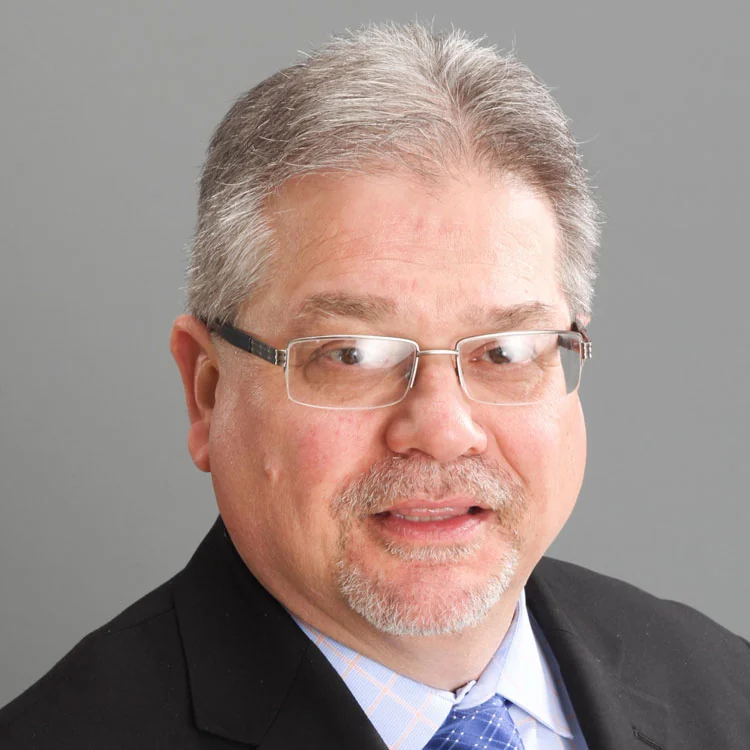
Written and reviewed by Joseph C. Michelotti
Attorney at Law · practising in Illinois since 1983 · McGill University, 1979 · member, American Immigration Lawyers Association (AILA)
This article is general information, not legal advice about your situation. Reading it does not create an attorney–client relationship.
Here for you when you need us most.
Free consultation. Payment plans available. All major credit cards accepted.